
Caring for receding gums at home
By the OraLux Team · Updated
Quick answer
Brush gently with a soft brush, floss daily, avoid tobacco, eat collagen-supporting foods, and consider daily red light therapy. See a dentist if recession is getting worse.
Get GumRevive, up to 55% off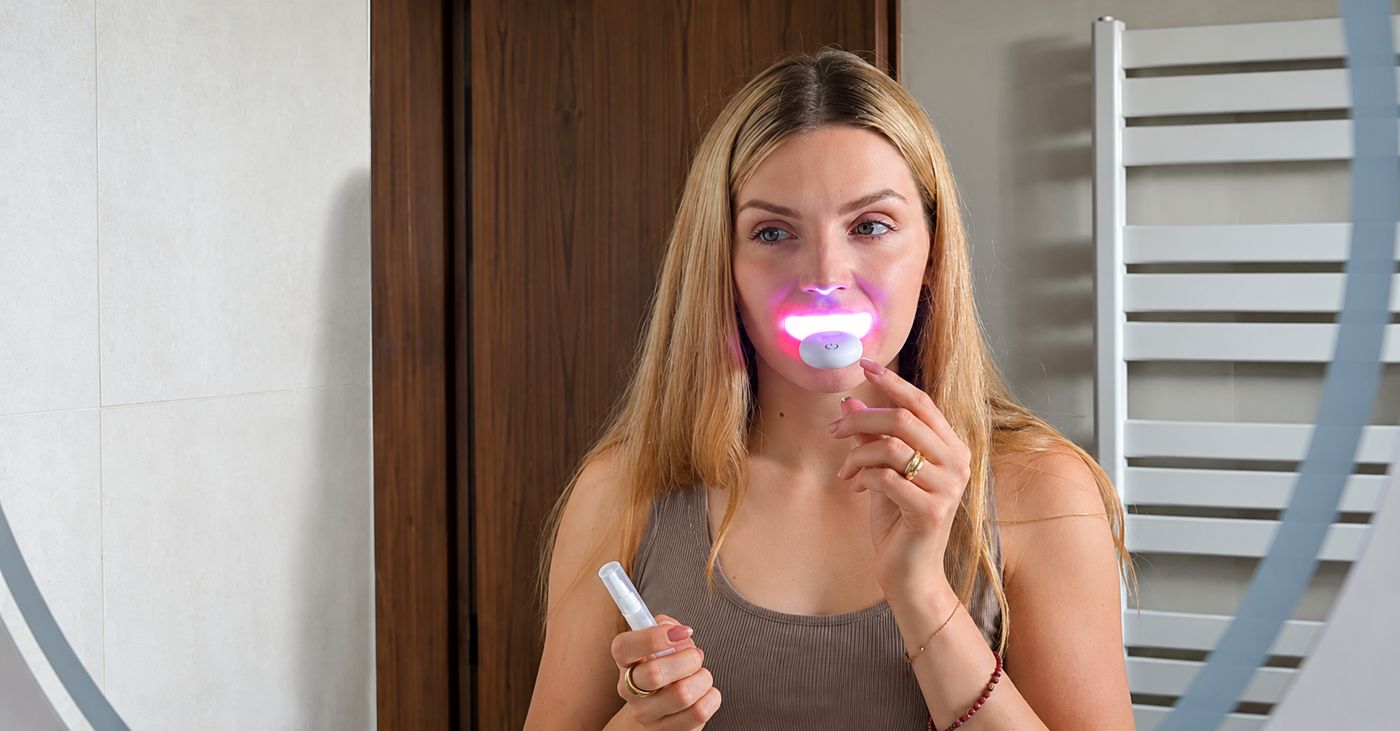
Gum recession often creeps up slowly. These daily habits help protect your gums.
Daily habits
- Use a soft-bristled brush and light pressure
- Floss gently every day
- Avoid tobacco
- Eat foods rich in vitamin C and protein
- Add a 12-minute red light session
When to see a dentist
If teeth feel loose, roots are very exposed, or you have pain or swelling, see a dentist or periodontist.
What causes gums to recede?
Common causes include brushing too hard, gum disease, grinding your teeth, smoking, genetics and simply getting older. Many adults over 40 have some gum recession.
A simple daily routine for receding gums
Small, steady habits matter more than any single product.
- Morning: brush gently for 2 minutes with a soft brush
- Floss or use a water flosser
- Evening: brush again, then a 12-minute GumRevive session
- Rinse with an alcohol-free mouthwash if you like
- Visit your dentist every 6 months
Foods and habits that help
Drink water, limit sugary drinks and snacks, and eat foods rich in vitamin C, like peppers, oranges and leafy greens. Quit smoking if you can. It's one of the biggest risks for gum problems.
When to see a dentist right away
See a dentist soon if you notice any of these. They can be signs of gum disease that needs professional care, and no home device can replace that.
- Gums that bleed a lot or every time you brush
- Loose or shifting teeth
- Pus between teeth and gums
- Bad breath or taste that won't go away
- Pain, swelling or a fever
Protecting exposed tooth roots from decay at home
When gums recede, root surfaces can become exposed. Those surfaces do not have the same enamel covering as the tooth crown. Keeping them clean matters, even when they feel sensitive.
Brush twice daily with fluoride toothpaste and avoid scrubbing harder to remove a dark patch. Ask your dentist whether you need additional fluoride protection. Frequent sugary snacks and drinks can increase decay risk, so consider how often you sip or snack as well as what you choose. A light device does not replace fluoride care.
Cleaning gaps near receding gums without injuring them
Recession can leave spaces where food catches and a toothbrush does not reach well. Floss may work in some spaces, while an interdental brush may suit others. Size matters: a brush should not need to be forced through.
Ask a dental professional to demonstrate a tool in your own mouth. If arthritis makes small handles difficult, mention that too. Holders or larger grips may help. Do not dig under the gum with toothpicks or scrape roots with a home dental tool to chase trapped debris.
Why acidic and abrasive home remedies can backfire
Lemon juice, vinegar and gritty scrubs are not ways to rebuild a gum line. Acidic products can harm tooth surfaces, and rough scrubbing can irritate tissue. A stinging feeling does not show that a remedy is helping.
Avoid rubbing concentrated oils or household peroxide on exposed roots. Use oral-care products according to their labels and ask your dentist about persistent sensitivity. Red light cannot regrow lost gum tissue either. Our regrowth explanation separates supportive care from claims of tissue replacement.
Keeping a useful record of recession between dental visits
Write down which tooth concerns you, when you first noticed the change and whether cold drinks or brushing trigger discomfort. Note any change in your bite or food trapping. This gives your dentist a more useful starting point than a general concern about aging.
Do not repeatedly poke the area to test it. Ask how often your gums should be reviewed based on your own risks. Arrange prompt dental care for pain, loose teeth, pus, swelling or bleeding that does not stop instead of waiting for a routine appointment.
Common questions
Can I fix receding gums at home?
You can't regrow gums at home, but good daily care can help stop recession getting worse.
What toothbrush is best for receding gums?
A soft-bristle brush, used gently. Electric brushes with pressure sensors can help.
Does salt water help receding gums?
Salt water rinses can soothe gums but won't reverse recession.
Should I stop brushing a root that feels sensitive?
Do not leave it uncleaned. Use gentle pressure and ask your dentist about sensitivity care. New or worsening pain needs assessment rather than repeated changes of toothpaste.
Can I scrape stains off exposed roots myself?
No. Scraping can damage the surface or nearby tissue. A dentist can tell whether a mark is stain, tartar, decay or something else.
Is recession around just one tooth worth checking?
Yes. A local change may have a local cause. An examination can help explain it and establish a baseline before you assume it is ordinary aging.
Will a vitamin supplement rebuild my gum line?
No supplement can be relied on to replace lost gum tissue. Discuss suspected deficiencies with your clinician rather than taking high doses to address recession.
Sources and further reading
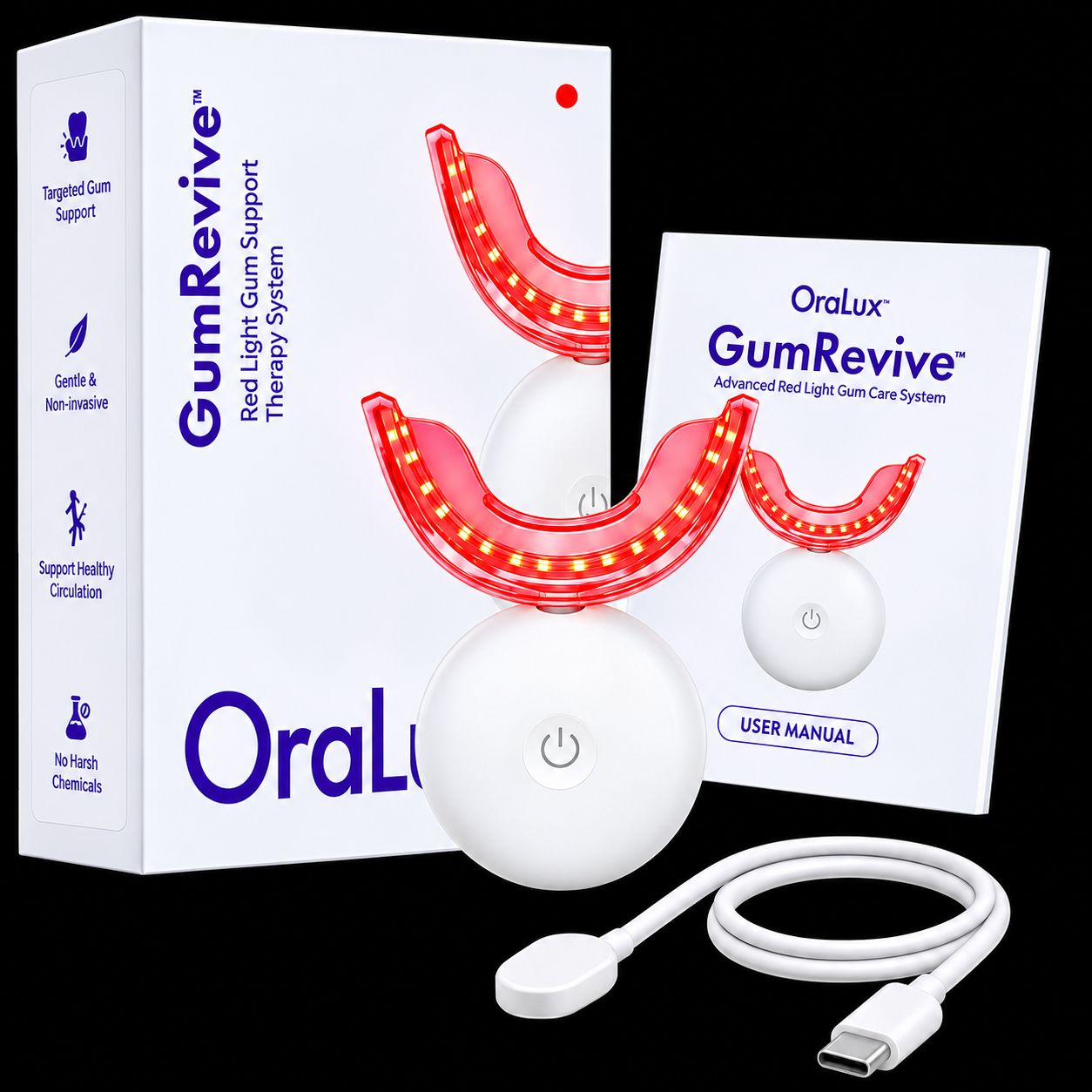
Try OraLux GumRevive risk-free
From $79 (up to 55% off) · Free US shipping · 2 free bonuses · 90-day money-back guarantee
Order on the official website


Written by the OraLux Team
We make GumRevive and write every guide on this site. Our guides are for general information only, not medical advice. Talk to your dentist about your oral health.
Related questions
⚠️ Sold only on this official website. Not available on Amazon, Walmart or eBay.