
Bleeding gums when brushing: what to do at home
By the OraLux Team · Updated
Quick answer
Bleeding gums are often a sign of irritation along the gum line. Brush gently, floss daily, rinse with warm salt water, and consider daily red light therapy. See a dentist if bleeding lasts more than 2 weeks.
Get GumRevive, up to 55% off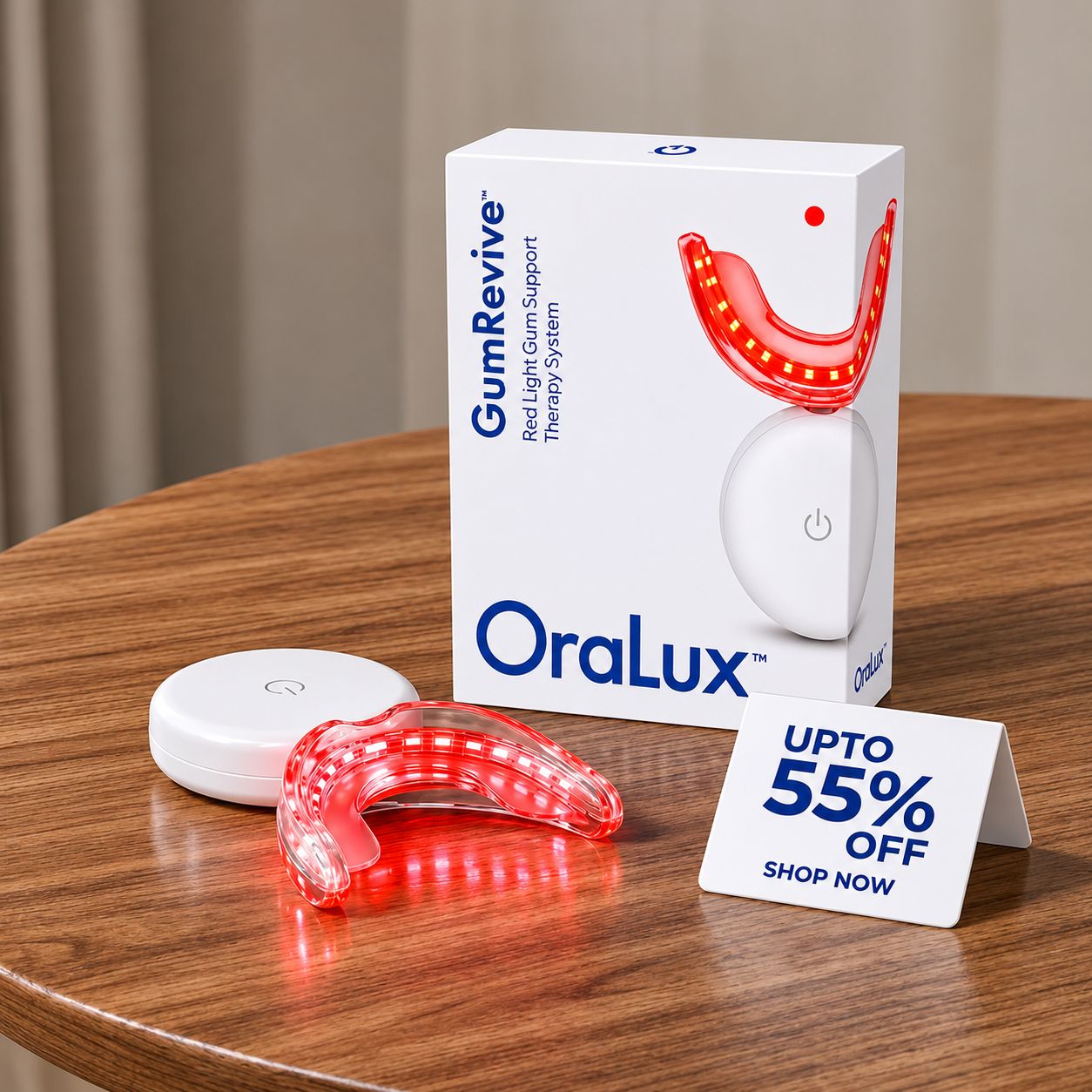
A little pink in the sink is common, but it's your gums asking for attention.
At-home steps
- Switch to a soft brush
- Floss gently, don't snap
- Rinse with warm salt water
- Drink water and eat vitamin C-rich foods
- Try a daily 12-minute red light session
Why gums bleed
The most common reason is plaque building up along the gumline, which leads to gingivitis. Other causes include brushing too hard, a new flossing habit, some medicines like blood thinners, hormone changes and low vitamin C.
What to do at home
Most mild gum bleeding improves within 1 to 2 weeks of better daily care.
- Keep brushing, gently, twice a day
- Floss daily, even if it bleeds at first
- Rinse with warm salt water
- Use GumRevive after brushing
- Eat vitamin C-rich foods
Should I stop flossing if my gums bleed?
No. Light bleeding when you start flossing is common and usually stops within a week or two as gums get healthier. If it doesn't, see your dentist.
When to see a dentist right away
See a dentist soon if you notice any of these. They can be signs of gum disease that needs professional care, and no home device can replace that.
- Gums that bleed a lot or every time you brush
- Loose or shifting teeth
- Pus between teeth and gums
- Bad breath or taste that won't go away
- Pain, swelling or a fever
What to do if one spot on your gum starts bleeding
If you can clearly see a small bleeding spot, apply gentle, steady pressure with clean gauze. Avoid repeatedly lifting it to check. Do not scrub the area or keep rinsing forcefully, which may disturb the site.
Bleeding that does not stop needs urgent dental or medical advice. Heavy bleeding, faintness or trouble breathing needs emergency care. If bleeding follows an extraction or other procedure, follow the instructions from your dental team and contact them. Do not put a light mouthpiece against an actively bleeding injury.
Bleeding gums while taking blood thinners: what to tell your dentist
Some medicines can make bleeding easier to notice or harder to stop. That does not mean the medicine is the only cause. Gum irritation or another dental issue may still need attention.
Tell your dentist the names of your medicines, including nonprescription products and supplements. Never stop a prescribed blood thinner on your own to see whether the bleeding improves. If bleeding is new or unusual, contact your dentist and prescribing clinician. Bleeding elsewhere or unusual bruising is another reason to seek medical advice.
How to tell whether bleeding comes from one area or many
Notice whether bleeding happens beside one tooth, between several teeth or without brushing at all. A single repeated spot may need a different assessment from widespread bleeding. Neither pattern can be diagnosed by the color of the rinse water.
Keep a short note of when it happens, how long it lasts and any pain, swelling or bad taste. Do not poke the gums to reproduce it. Bring the notes to your appointment, especially if a filling edge or food-trapping area seems involved.
Why less bleeding does not always mean your gums are healthy
Bleeding is one sign, not the whole picture. Smoking can mask visible bleeding while increasing the risk of gum problems. A mouth that looks calmer can still need a professional examination and cleaning.
Red light may support a gum-care routine, but it cannot diagnose the cause of bleeding or replace dental care. Do not wait through a device trial if symptoms persist. Pain, loose teeth, pus, swelling or bleeding that does not stop need prompt attention. Review possible device concerns if use itself seems to irritate your mouth.
Common questions
Is it normal for gums to bleed when brushing?
Occasional light bleeding is common but not normal long-term. It's often a sign of early gum irritation.
How fast can bleeding gums improve?
With better brushing and flossing, many people see improvement within 1 to 2 weeks.
Can I use GumRevive if my gums bleed?
Yes, it's gentle light. If bleeding is heavy or doesn't stop, see a dentist first.
Should I use a mouthpiece while my gums are actively bleeding?
Pause device use and address the bleeding first. Do not press a mouthpiece onto an injury. Seek urgent advice if bleeding does not stop.
Can a crown edge be linked to bleeding in one spot?
A rough edge, trapped food or difficulty cleaning may contribute to irritation. A dentist should check the area rather than having you adjust or scrape the crown yourself.
Should I stop aspirin prescribed by my doctor?
No. Do not stop prescribed aspirin or another medicine without the prescriber's advice. Tell both your dentist and clinician about new or persistent bleeding.
What if my gums bleed even when I am not brushing?
Arrange a prompt dental assessment. Spontaneous bleeding deserves attention. Heavy bleeding, bleeding that does not stop or feeling faint requires urgent care.
Sources and further reading
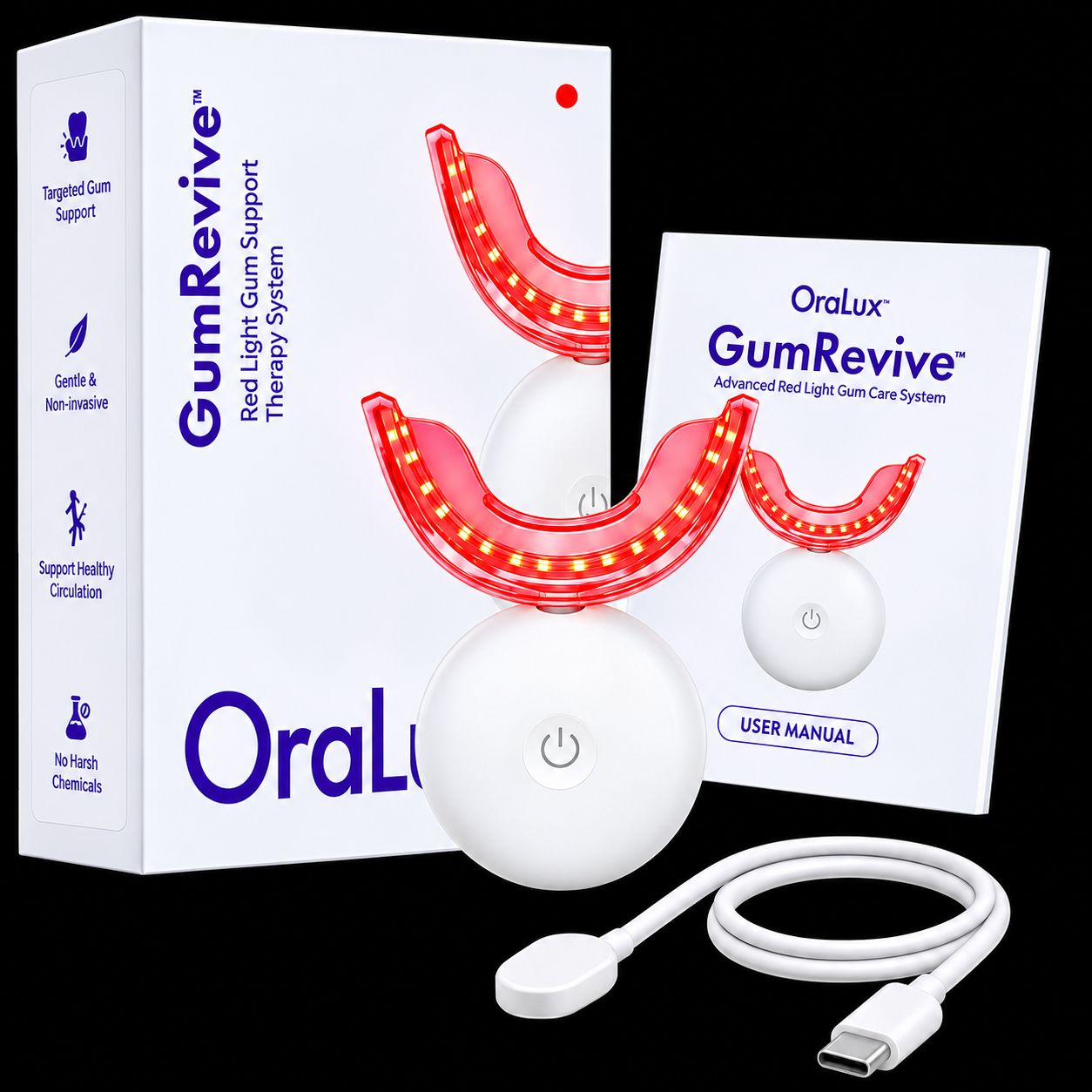
Try OraLux GumRevive risk-free
From $79 (up to 55% off) · Free US shipping · 2 free bonuses · 90-day money-back guarantee
Order on the official website


Written by the OraLux Team
We make GumRevive and write every guide on this site. Our guides are for general information only, not medical advice. Talk to your dentist about your oral health.
Related questions
⚠️ Sold only on this official website. Not available on Amazon, Walmart or eBay.